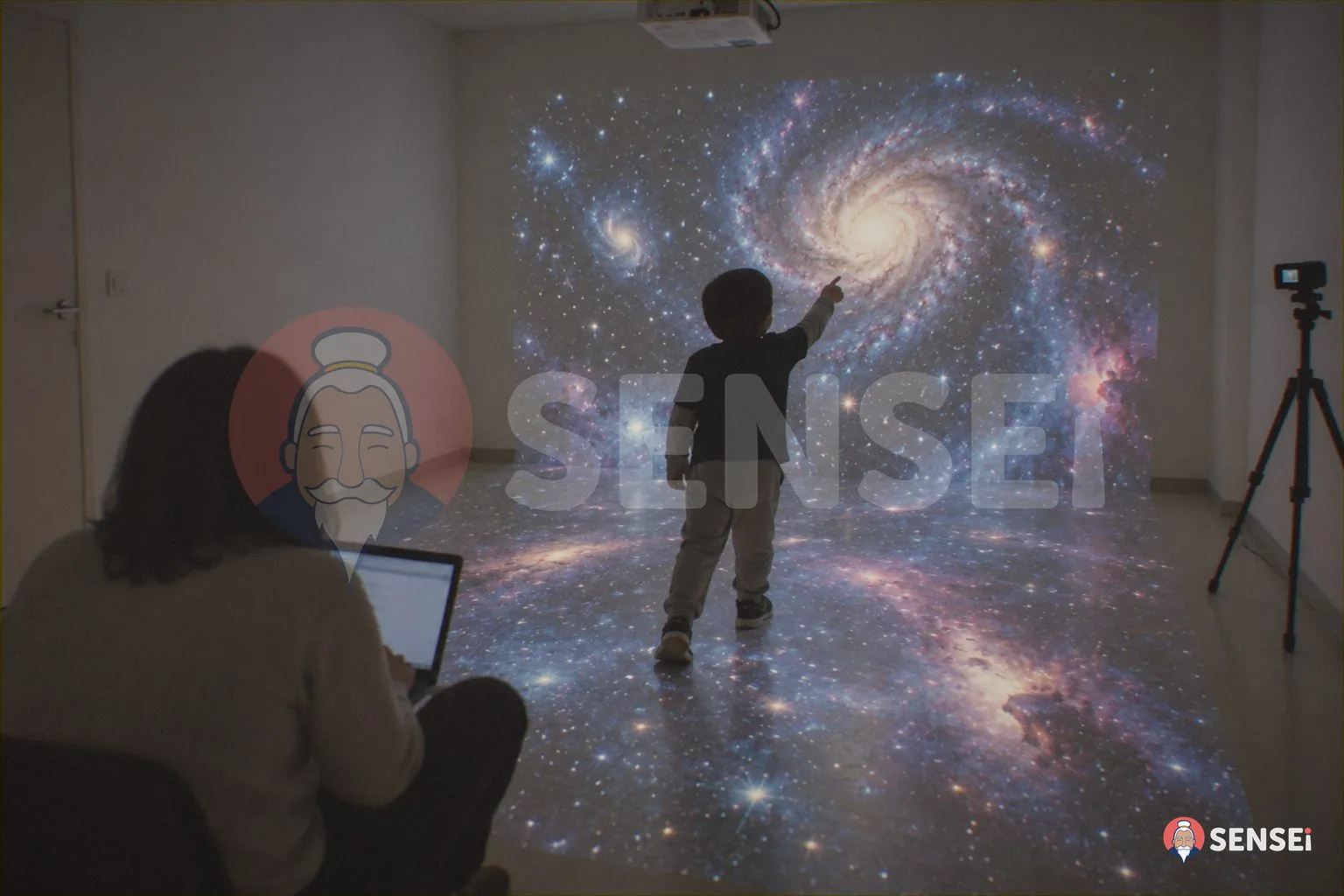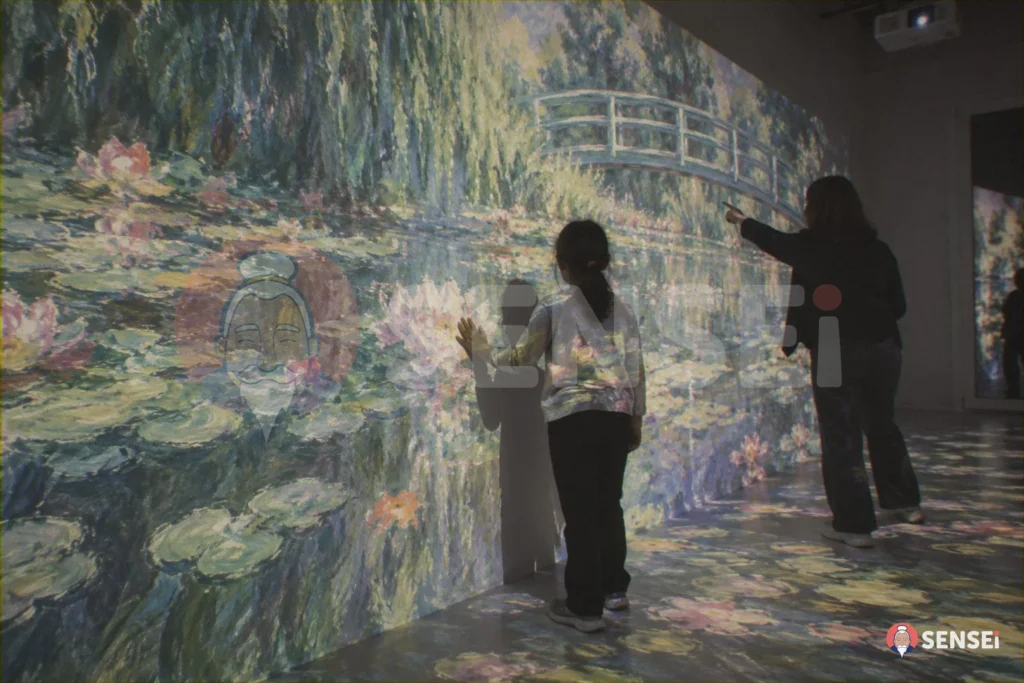
A museum is truly accessible when anyone can understand it, experience it and enjoy it. This is the idea that unites L’abilità and the research group from which SENSEi originates: placing people with intellectual disability at the centre of culture, not at its margins. From Museo per tutti (Museum for All) to the sensory rooms of Maternage, the collaboration weaves together co-design, research and multisensory experiences.
Who is L’abilità and what is Museo per tutti?
L’abilità is a non-profit organisation in Milan that works with children and families with disabilities. With the support of the Fondazione De Agostini, it launches Museo per tutti, a project that aims to guarantee the right to culture of people with intellectual disability.
At the heart of the project is an accessible guide, written to be read independently or with a companion: a parent, a teacher, an educator. Around the guide, educational pathways are developed, along with work with museum staff, who design the activities together with L’abilità’s experts. The experience also extends to the heritage sites of FAI (the Italian National Trust) with Bene FAI per tutti.
The challenge: why are ramps not enough?
A museum can have ramps and lifts and still be difficult to experience. Long texts, crowded rooms, implicit rules and unpredictable stimuli can exclude people with an intellectual disability. True accessibility is about understanding, participation and the enjoyment of the visit.
It is therefore necessary to work on several levels at once: easy-to-read content, experiences to live through the body and the senses, tools that adapt to the person, and staff prepared to welcome them.
Maternage: eight sensory rooms at the Museo Diocesano
The bond between L’abilità and the research group from which SENSEi originates goes back a long way. Together they create the eight sensory rooms of Maternage at the Museo Diocesano in Milan: a pathway in which the artworks are also encountered through the body and the senses, designed for families and children.
Later, a thesis at the Politecnico di Milano contributes to the accessible maps of Museo per tutti at the Castello Sforzesco. The method stays the same: start from people, not from technology.
How does this experience live on today?
Today that approach has found a home in SENSEi: a space in which images respond to the body of whoever moves through it, with nothing to wear, while the operator adjusts the experience from a tablet. In a museum it becomes a way to prepare the visit, return to an artwork after seeing it or encounter it in immersive form, at each person’s own pace. For exhibitions, museums and installations there is the SENSEi ART line.
The link with research
Maternage and Museo per tutti are in dialogue with a specific strand of the work of the SENSEi research group, born at the Politecnico di Milano: immersive storytelling as a key to accessing culture. We discuss it in the case study The accessible museum, one of the pieces of a body of work that exceeds 40 publications.
The collaboration with L’abilità continues today on a European scale with the INCLUDE-ID project.
The impact: what changes for visitors and museums
Museo per tutti shows that cultural accessibility is built with the people it is intended for: guides designed to be genuinely used, museum staff involved, and pathways that reach as far as the Castello Sforzesco and the FAI heritage sites.
Why is this a significant case?
It shows that cultural accessibility is not an add-on to the visit but a way of designing it: with people with intellectual disability, with families and with museum staff, even before technology comes in.
For the European follow-up to this collaboration, read the INCLUDE-ID case; for the scientific foundations, see the Research page.
Frequently asked questions
What is Museo per tutti?
It is L’abilità’s project that makes museums and cultural venues accessible to people with intellectual disability, with easy-to-read guides and educational pathways.
What is Maternage?
It is a pathway of eight sensory rooms at the Museo Diocesano in Milan, created by L’abilità together with the research group from which SENSEi originates.
Can SENSEi be used in a museum?
Yes. SENSEi ART is designed for exhibitions, museums and installations. Each project is built with the institution, starting from its audience and its spaces.
How much does an environment like this cost?
It depends on the configuration: space, experiences, training and services. Contact us for an assessment.
Do you work in a school, a centre or a museum and want an environment like this? Tell us about your project: we start from the needs of the people who will use it.