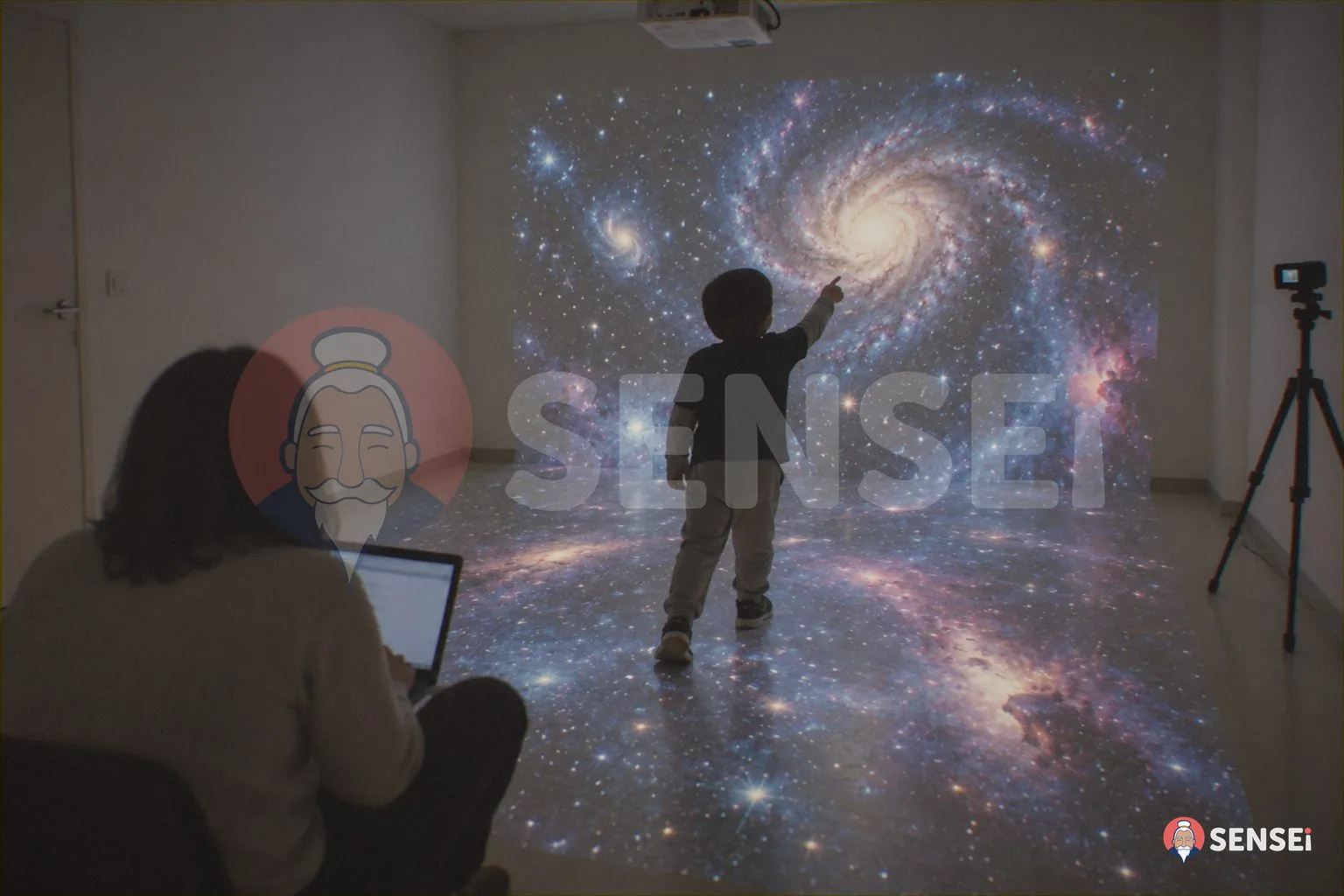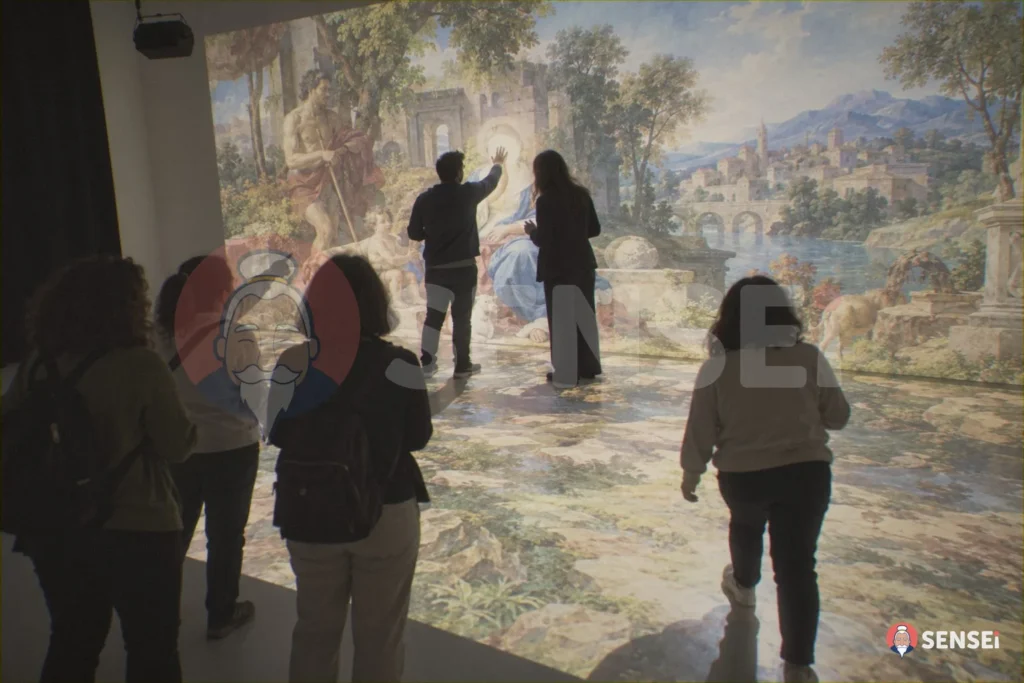
INCLUDE-ID is a European project that aims to make museums and cultural institutions truly open to people with intellectual disability. SENSEi takes part with SUPSI and L’abilità, together with schools, museums and research centres from across Europe: co-design, artificial intelligence and multisensory experiences for visits that adapt to each person.
What is INCLUDE-ID?
INCLUDE-ID is a multi-year Horizon Europe project dedicated to the inclusion of people with intellectual disability in cultural institutions. It is coordinated by IRCCS Eugenio Medea (Associazione La Nostra Famiglia) and brings together ten European partners, including L’abilità, SUPSI, Cardiff University, NTNU and the Stiftung Preussischer Kulturbesitz in Berlin. According to the European Commission’s project page, it combines three ingredients:
- co-design: people with intellectual disability, their families, educators and museum staff work side by side;
- personalisation based on artificial intelligence, with adaptive tools validated in the field;
- multisensory approaches, to experience artworks not only with the eyes.
Where does this collaboration come from?
The project draws on years of fieldwork. L’abilità brings the experience of Museo per tutti and the sensory rooms of Maternage; SUPSI and SENSEi bring more than ten years of research on interactive multisensory environments, which began at the Politecnico di Milano with the Magic Room and Magika.
Within INCLUDE-ID, schools and museums co-design accessible content together with researchers, educators and people with intellectual disability. The starting point is people, not technology.
The challenge: what makes a museum difficult?
The highest barriers are often invisible. Text-heavy panels, noisy environments, codes of behaviour that are never explained and sensory surprises can keep people with an intellectual disability away, even in a building without steps.
This is why the project works in parallel on plain language, sensory and bodily experiences, tools that adapt to whoever uses them, and training for museum staff.
What experiences are created for visitors?
- A pathway for children and young people who visit museums with their school and their family.
- Young cultural mediators: young people with intellectual disability who become guides for other visitors.
- Before and after the visit: preparing the route, reliving an artwork or encountering it in an immersive space, at each person’s own pace.
For these experiences SENSEi provides environments that react to visitors’ movements and that the mediator controls from a tablet: the same logic as the SENSEi ART line, dedicated to museums and installations.
The link with research
The SENSEi research group has been working on museums since before INCLUDE-ID. The study Improving Museum Accessibility through Storytelling in Wearable Immersive Virtual Reality explores immersive storytelling as a path towards more accessible visits, and we describe it in the case study The accessible museum.
With INCLUDE-ID that experience, one of the group’s more than 40 publications, expands to ten European partners: adaptive and measurable experiences, without losing human mediation.
The expected impact
INCLUDE-ID goes one step further. People with intellectual disability are not only visitors: they become guides for others. It is a change of role that can foster autonomy, participation and recognition. For museums the benefit is concrete: methods and tools tested with ten European partners, designed to be replicated.
Why is this a significant case?
INCLUDE-ID shifts the point of view: accessibility is not added to a finished museum, it is designed with those who will experience it. And every visitor benefits from guides and tools designed in this way.
For research on artificial intelligence and inclusion, read the SUPSI case study; for the history of the collaboration with L’abilità, see the case Museo per tutti and Maternage.
Frequently asked questions
What is INCLUDE-ID?
It is a European Horizon Europe project to include people with intellectual disability in cultural institutions, through co-design, artificial intelligence and multisensory approaches.
Who takes part in the project?
Ten European partners, including IRCCS Eugenio Medea (coordinator), L’abilità, SUPSI, Cardiff University, NTNU and the Stiftung Preussischer Kulturbesitz in Berlin.
What role do people with intellectual disability play?
They co-design the pathways and, as young cultural mediators, become guides for other visitors.
How much does an environment like this cost?
It depends on the configuration: space, experiences, training and services. Contact us for an assessment.
Do you work in a school, a centre or a museum and want an environment like this? Tell us about your project: we start from the needs of the people who will use it.
Sources
- CORDIS, INCLUDE-ID (project no. 101288164)
- Museo per tutti, the project
- SENSEi, Research and publications