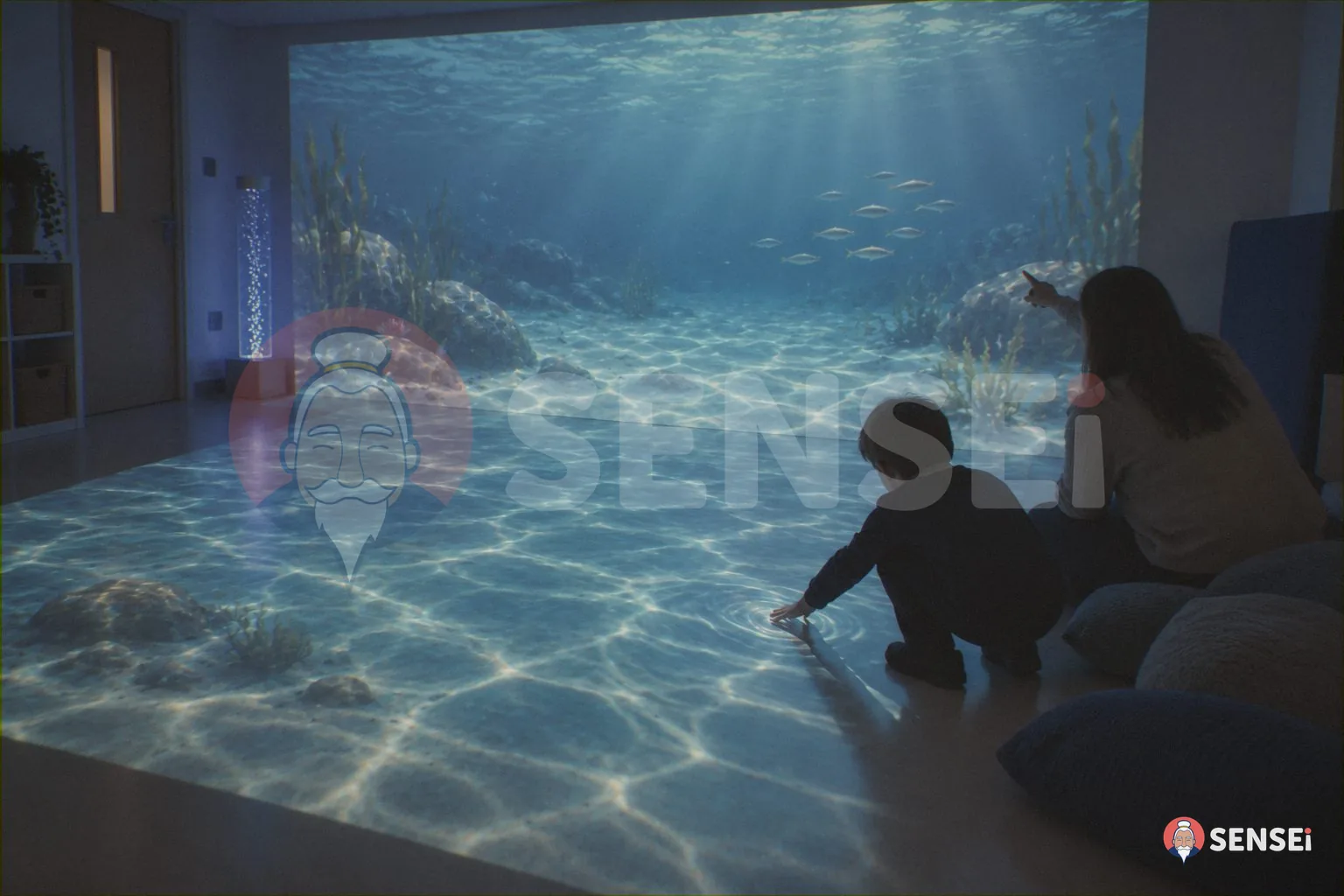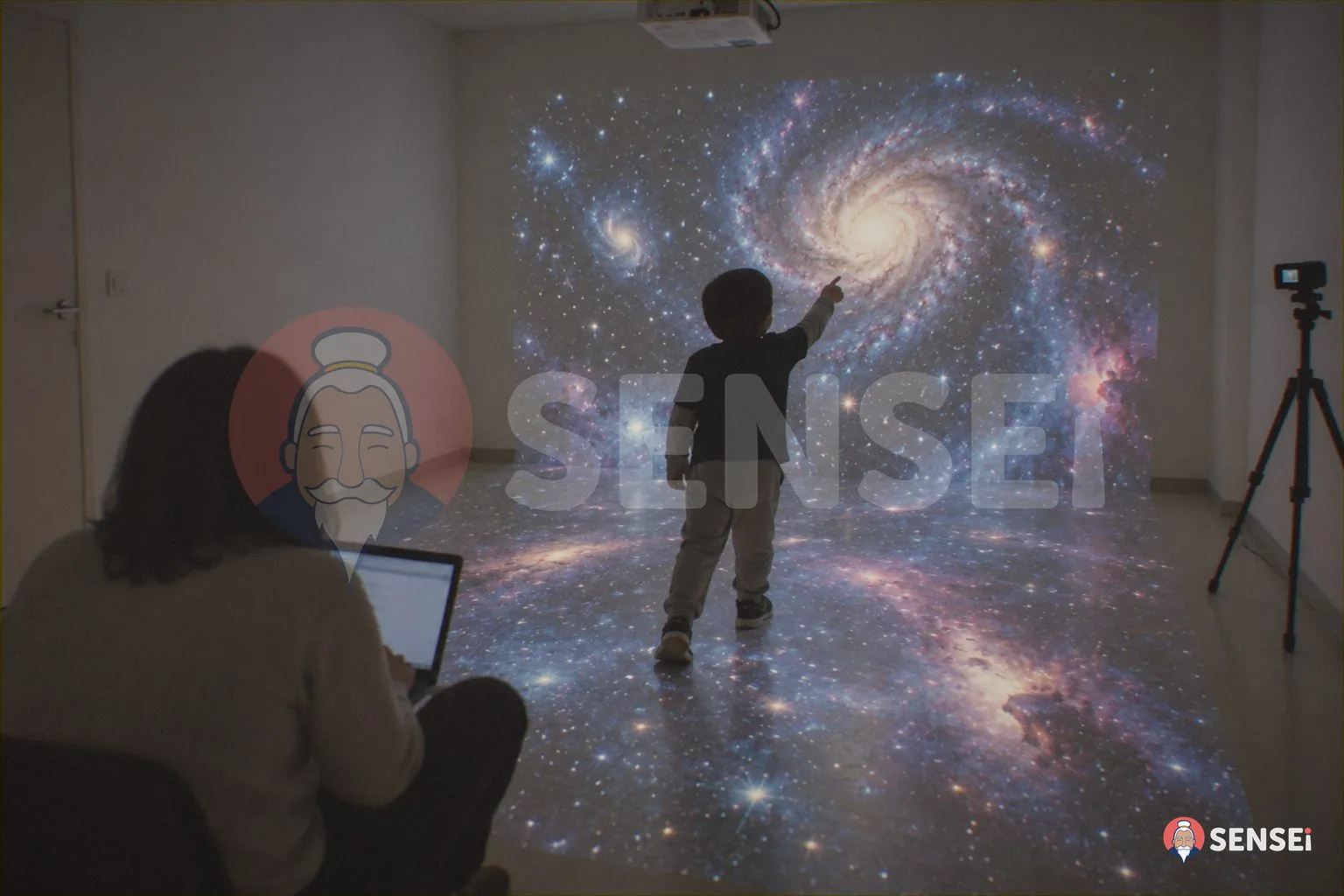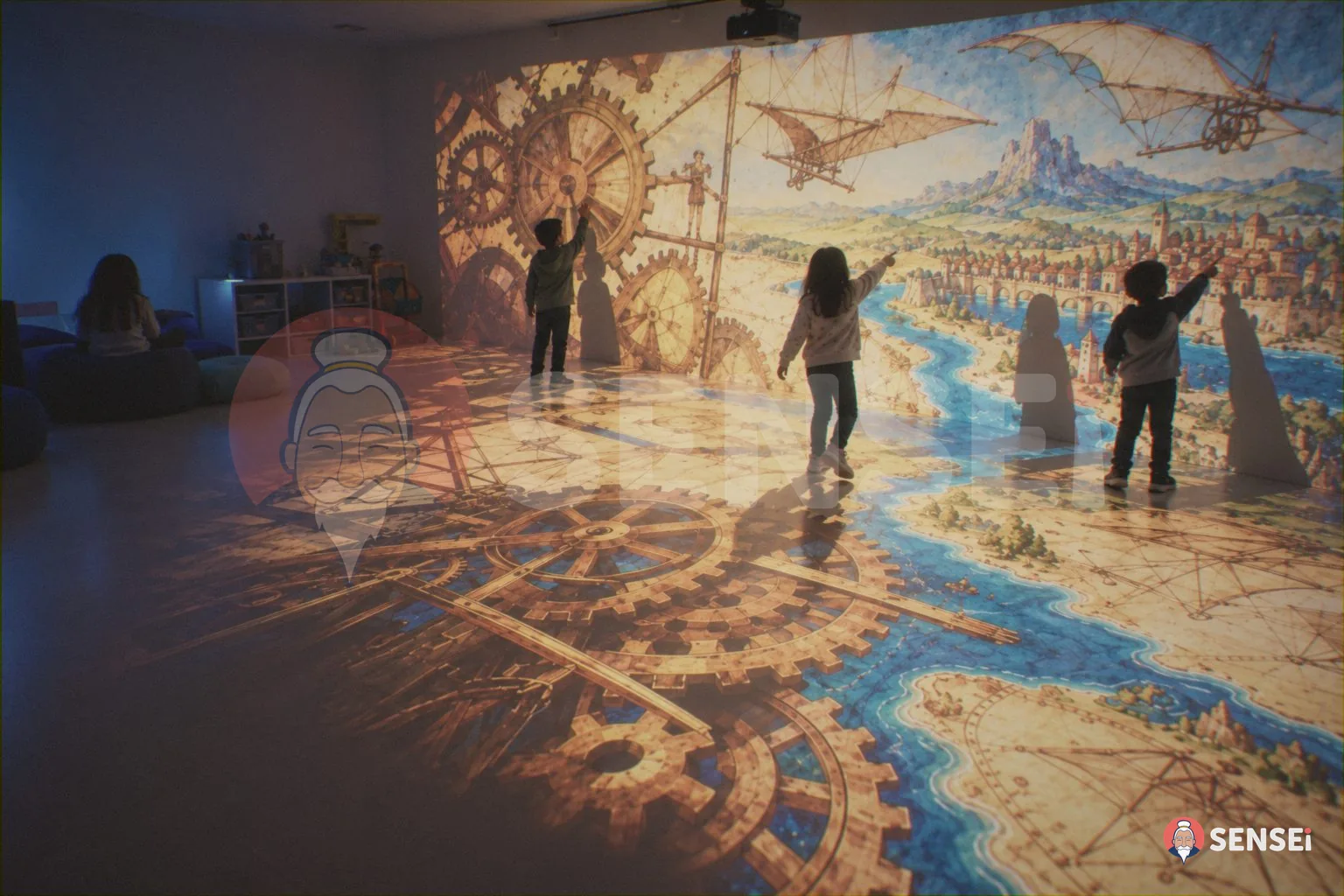

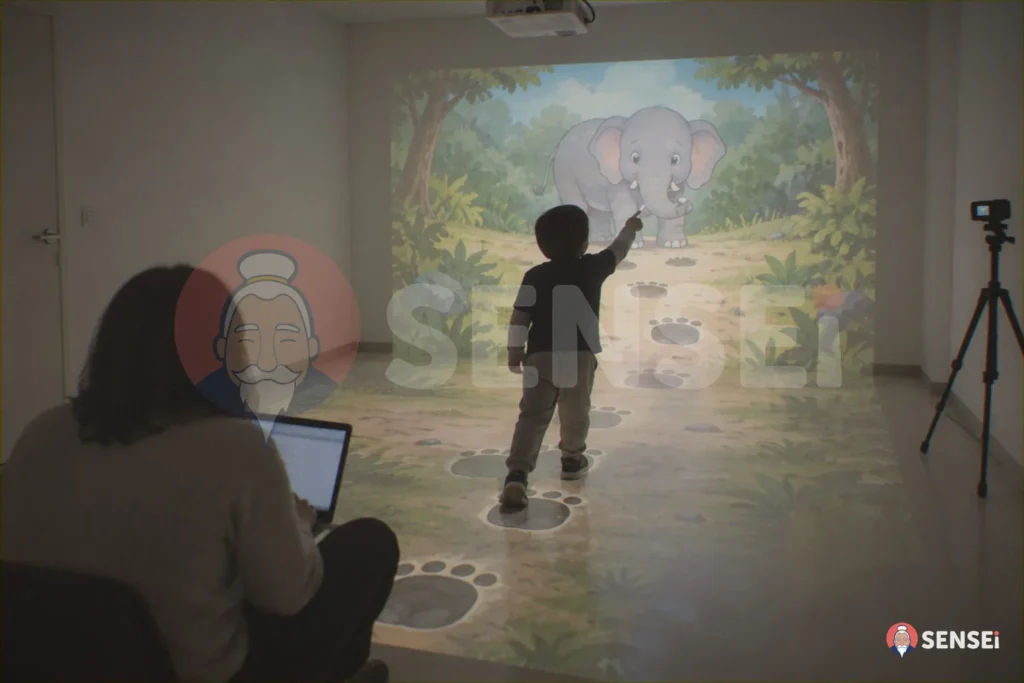
SENSEi was born in research and keeps growing with research. Together with SUPSI in Lugano, it studies how multisensory environments and artificial intelligence can make schools, centres and museums more inclusive. One example is INCLUDE-ID, a Horizon Europe project on the cultural inclusion of people with intellectual disabilities.
What is SUPSI and why this collaboration?
The Scuola universitaria professionale della Svizzera italiana (SUPSI, the University of Applied Sciences and Arts of Southern Switzerland) is one of the nine universities of applied sciences recognised by the Swiss Confederation. It offers Bachelor’s, Master’s and continuing education programmes, and carries out applied research.
The founder of SENSEi is a researcher in human-computer interaction (HCI) at SUPSI, where multisensory technologies and artificial intelligence for inclusion are studied. The SENSEi website lists SUPSI among its ongoing research collaborations, together with NTNU (Norway) and UC Berkeley (United States).
The research question: how can a room adapt to each person?
SENSEi is the evolution of the Magic Room and Magika projects of Politecnico di Milano, started more than ten years ago, and counts more than 40 scientific publications. Improving requires rigorous studies, carried out with schools, centres and families.
The open question concerns adaptivity. How can an environment understand what works for a person and change accordingly, in an ethical and transparent way? And how can it do so while always keeping the educator or therapist at the centre?
From research to practice: where the work happens
- In schools: a field study with NTNU involves 175 children aged 6 to 10 and compares five interaction modes. We describe it in Touching, moving, speaking.
- In autism services: with the University of Geneva and the Pôle Autisme, within the AI4Autism research strand, the team studies anonymised video analysis of sessions to support clinicians.
- In museums: with INCLUDE-ID and partners such as L’abilità, for an accessible cultural experience.
- With teachers: Eureka uses artificial intelligence to help create activities, always with the educator at the centre.
What is the INCLUDE-ID project?
INCLUDE-ID is described in the European Commission’s CORDIS fact sheet. It aims to transform cultural heritage institutions into inclusive and adaptive ecosystems for people with intellectual disabilities. The project is multi-year and SUPSI is among the participants. Its stated objectives include:
- co-designing participation pathways with people with intellectual disabilities, families, educators and professionals;
- developing and validating AI-based adaptive tools that personalise the cultural experience, with ethical and accessible use;
- piloting a pathway for children and adolescents with schools and families;
- piloting a pathway in which young adults with intellectual disabilities become cultural guides.
SENSEi brings its experience with multisensory environments to the project. The work with L’abilità and Museo per tutti is described in the dedicated case study.
The impact: why research matters for those who use SENSEi
Every study makes its way back into the rooms. The interaction modes compared in the classroom guide the way activities are designed. Working with clinicians helps them observe better, without replacing their judgement. Co-design with people with intellectual disabilities makes experiences clearer for everyone.
This is the principle of reverse inclusion: designing from the most complex needs, so that the whole group benefits. Researchers can ask to work with the platform.
Why is this a significant case?
It shows a model in which university research and product grow together, with published and verifiable results. The publications are collected on the Research page; museums and cultural institutions interested in accessibility can look at SENSEi ART.
Frequently asked questions
Does SENSEi use artificial intelligence?
Yes, to recognise gestures and movements, adapt the experience and help create activities with Eureka. The educator always remains at the centre.
Can a research institution use SENSEi?
Yes. The platform is available on request for research institutions.
Is INCLUDE-ID only about museums?
The project focuses on cultural heritage institutions, while also involving schools and families.
How much does an environment like this cost?
It depends on the configuration: space, experiences, training and services. Contact us for an assessment.
Do you work in a school, a centre or a museum and want an environment like this? Tell us about your project: we start from the needs of the people who will use it.