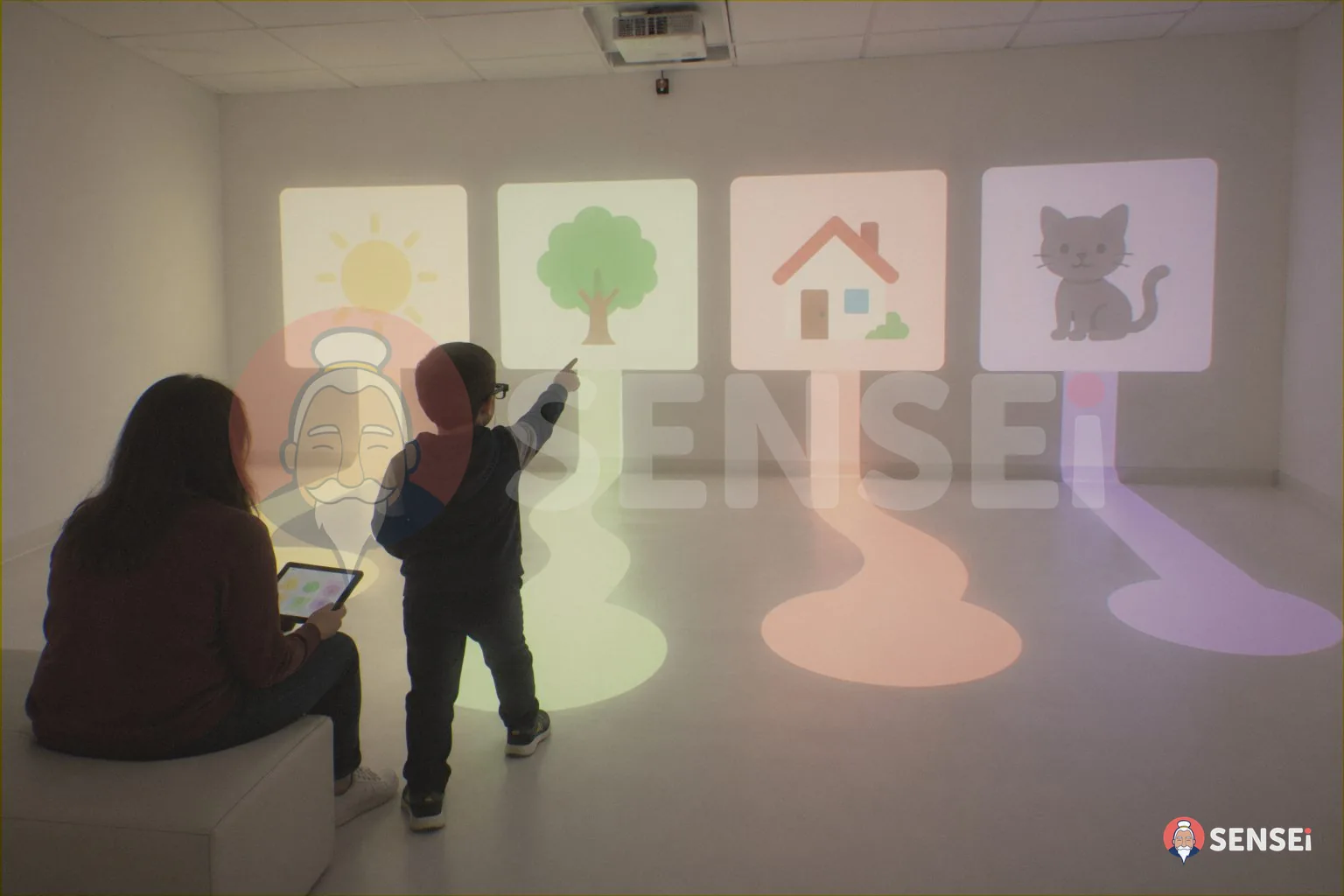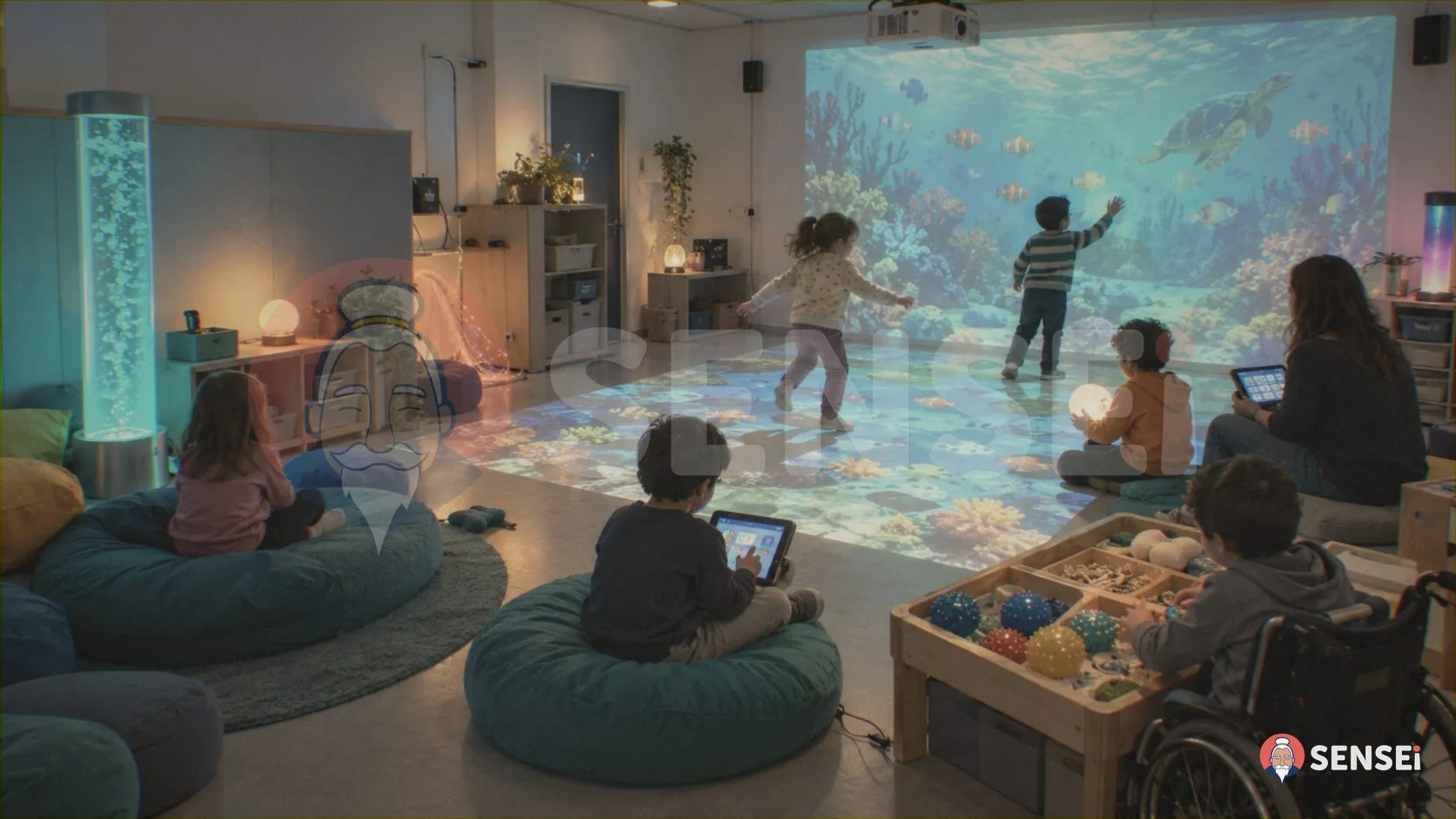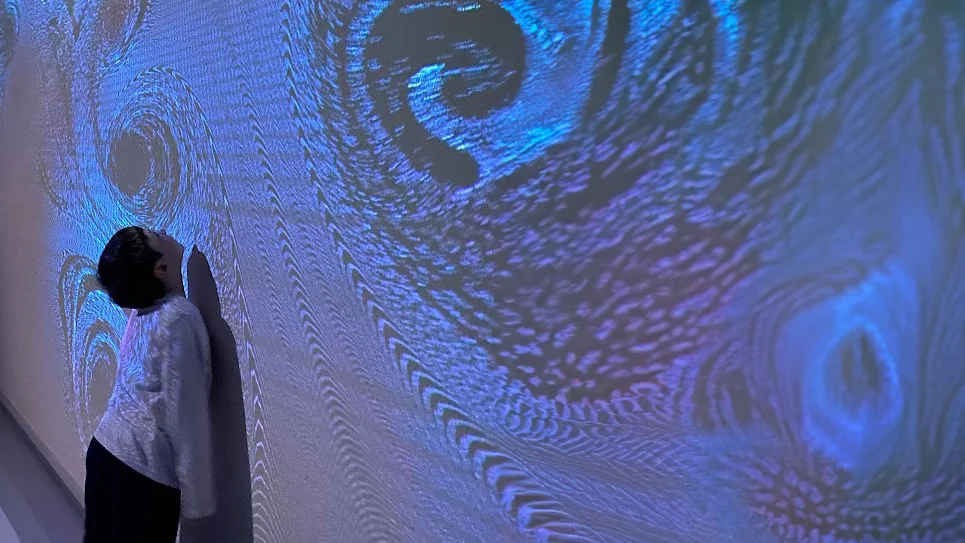

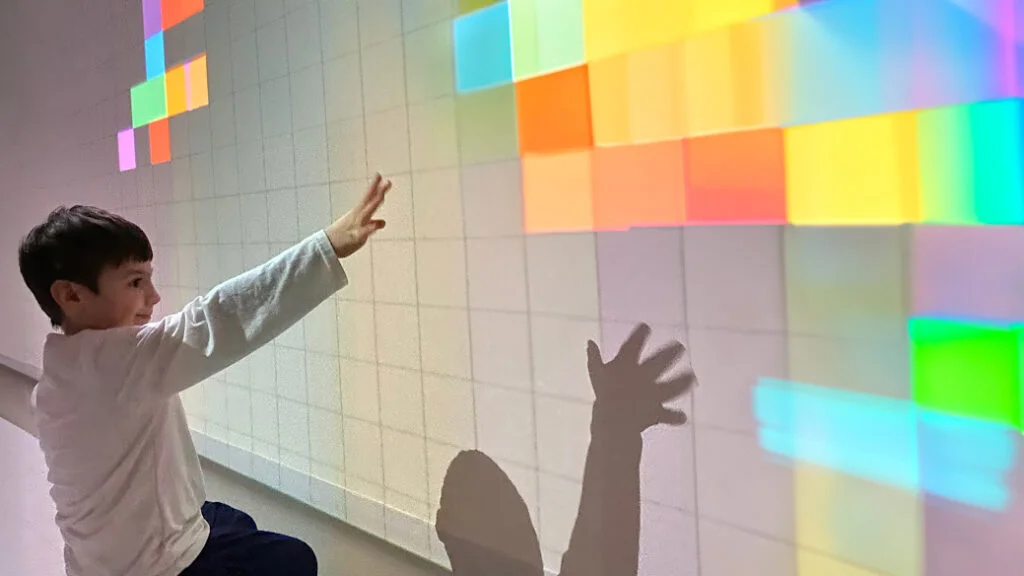
An accessible museum is not just about ramps and lifts: it is about experiences that everyone can understand, enjoy and live. An immersive, interactive installation is one of the most effective ways to get there, and it does not have to weigh on the core budget. Foundations, public programmes and donations can cover a large part of it. Here is how.
Why is cognitive accessibility a funding priority?
In recent years the focus has shifted from physical barriers to cognitive and sensory ones: difficult texts, noisy rooms, unpredictable routes. Many funders now ask for projects that involve people with intellectual disabilities, autistic people, children and families, and that are designed with them. An immersive environment fits this well: it can be adjusted, it tells stories in many ways and it welcomes different groups in the same space.
What funding routes are there?
- Arts and heritage funds. In the UK, Arts Council England supports cultural projects through National Lottery Project Grants, and the National Lottery Heritage Fund backs inclusion in heritage sites.
- Charitable foundations. Many trusts and foundations fund access projects, especially when they reach children, families and disabled people.
- European programmes. Horizon Europe and Erasmus+ mainly fund research, training and cooperation: they suit network projects with universities and associations.
- Local sponsors and partners. Companies, associations and local authorities can co-fund an installation that brings new audiences to the area.
Deadlines change often: always check the official website of the call before you start.
How do you write a convincing bid?
- Start from the audience, not the technology: who cannot enjoy the museum today, and why?
- Involve the people who will use it: associations, families, schools. Co-design is often a requirement.
- Describe the experience step by step: what visitors see, hear and do.
- Plan for the long term: content that can be updated, staff training, use with schools.
- Measure results: visits, groups welcomed, satisfaction, new audiences.
How does SENSEi help?
SENSEi ART is designed to last: it is ceiling-mounted, works without internet and content changes from a tablet, exhibition after exhibition. We help you read the call and prepare the technical part of the project, from the description of the experience to the training plan. We also take part in research projects such as INCLUDE-ID, dedicated to the inclusion of people with intellectual disabilities in museums.
Want to find the right route for your museum? Get in touch: we start from your rooms and your audience.