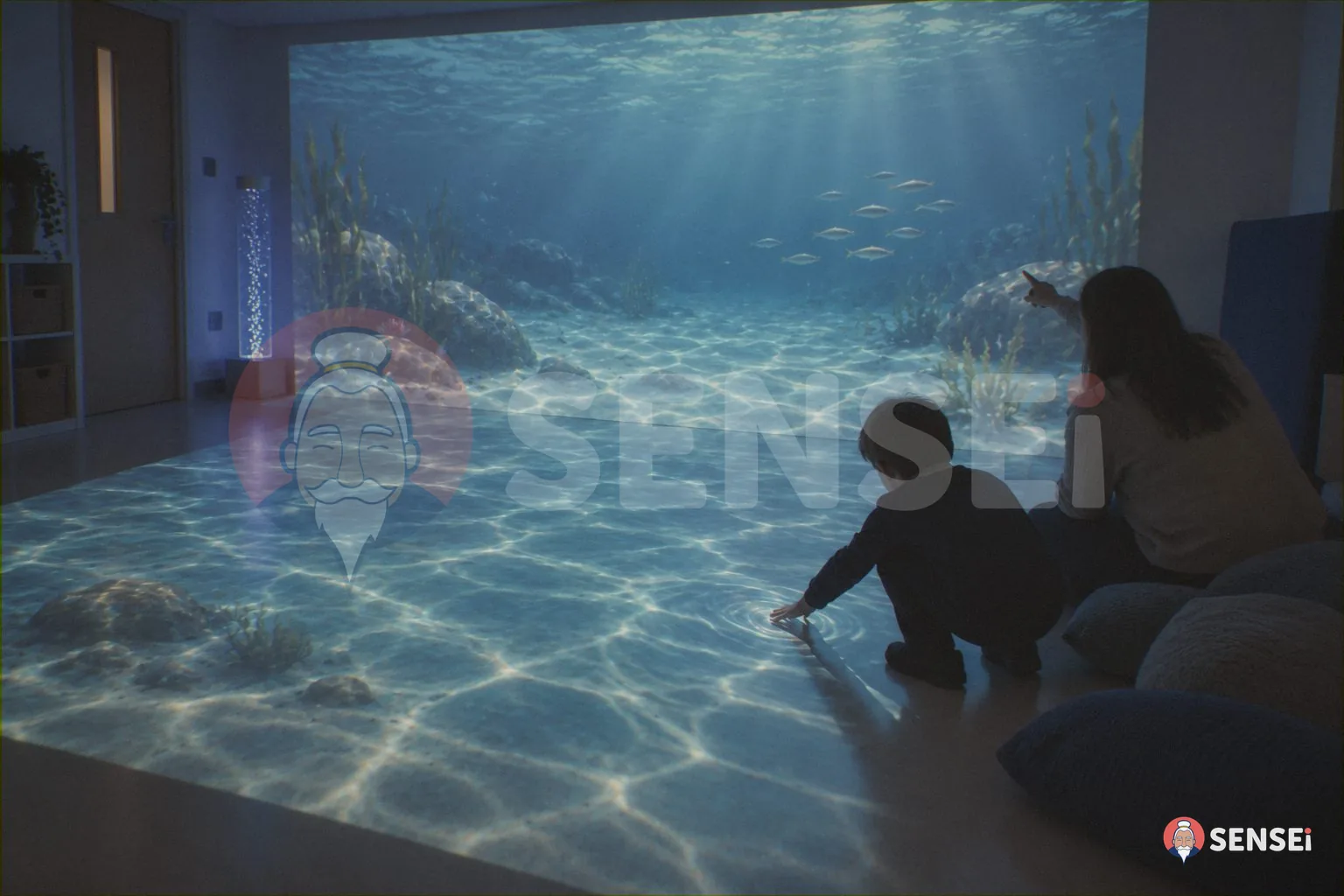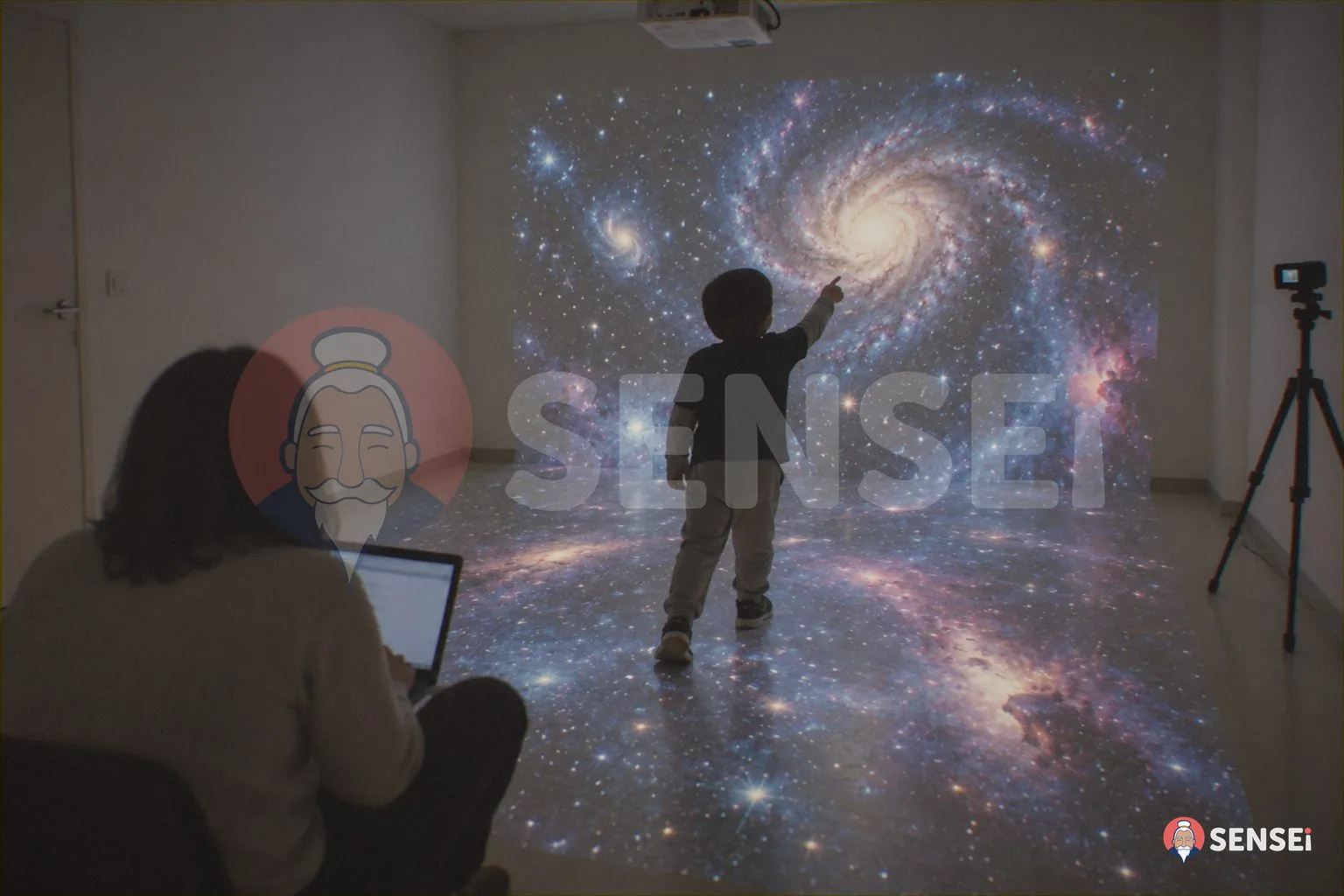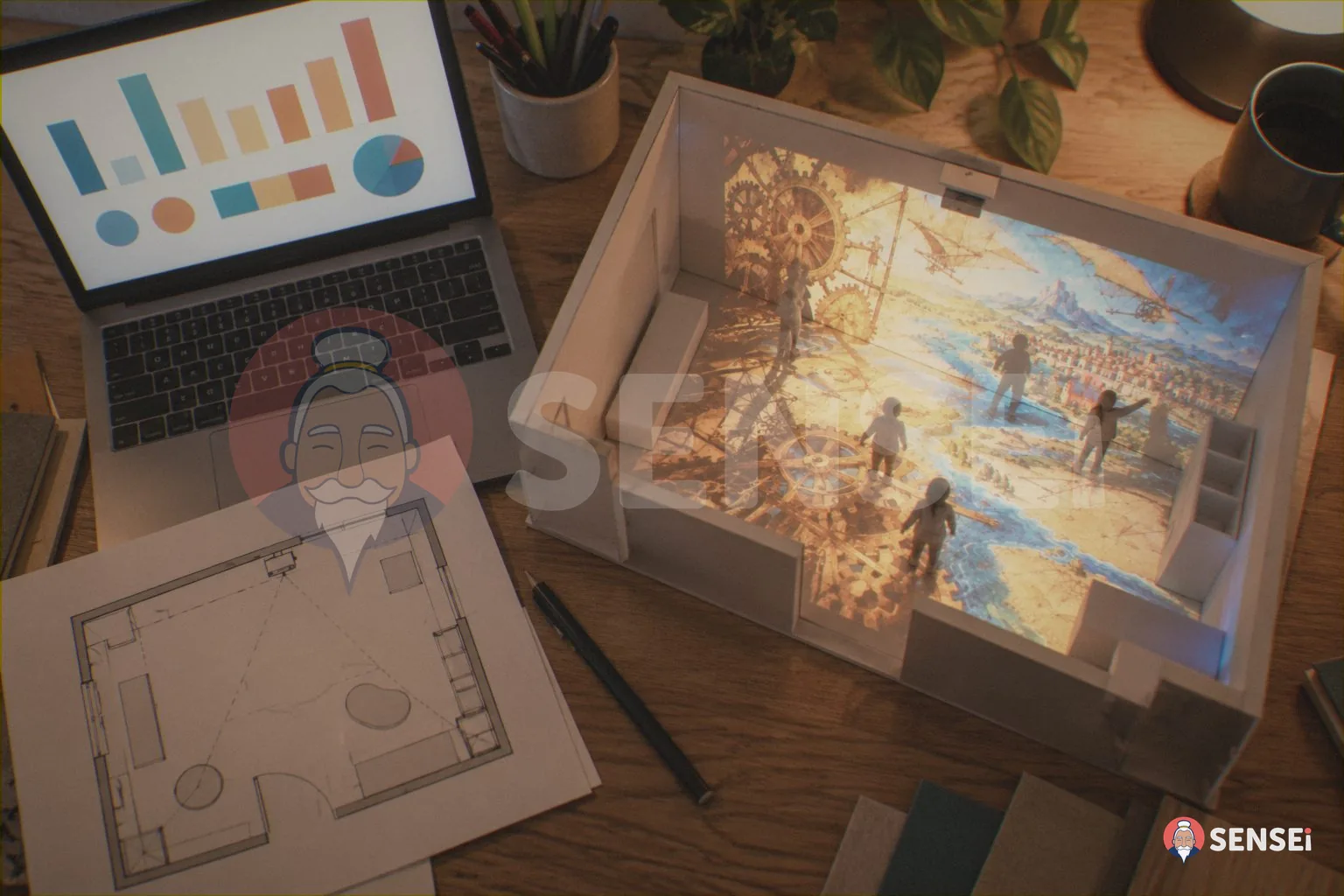

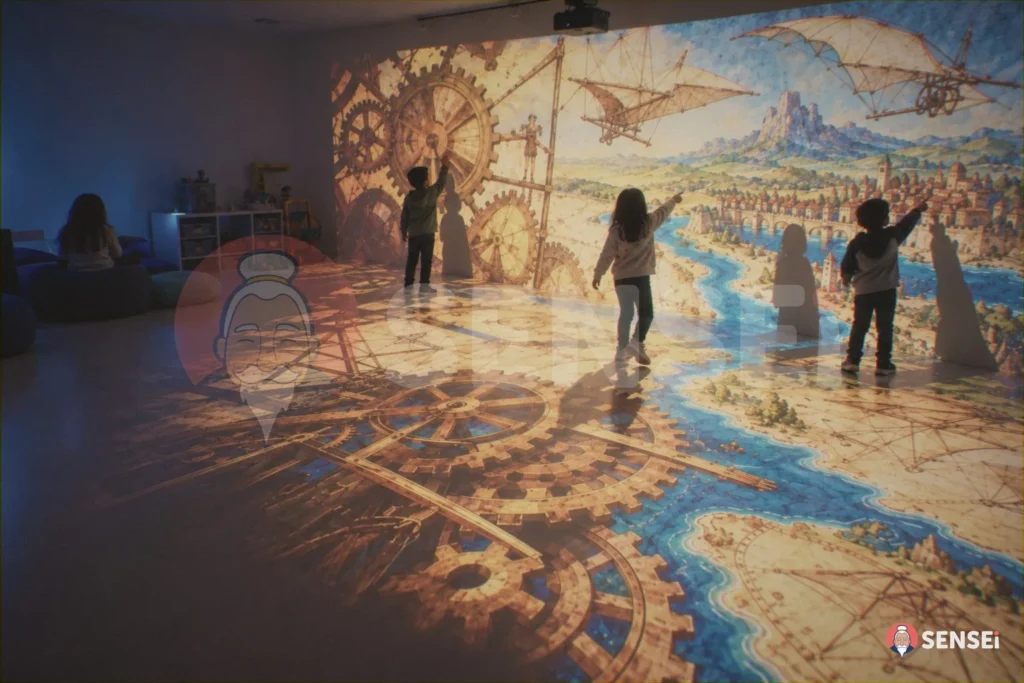
A regulation room is a calm, predictable space where pupils can rest, reset and manage sensory overload before returning to learning. The best ones do more than calm: the same space also hosts sensory activities and small group teaching, so it supports pupils across the whole day.
This article explains what DfE guidance says about calm spaces, what research suggests about how they work best, and how to design a regulation room that is also a learning space, for pupils, teachers and SENCOs alike.
What is a regulation room in a school?
A regulation room (also called a calm room, calm space or quiet room) is a low-stimulus area that helps pupils with self-regulation. It is often used by pupils with SEND, autistic pupils, and pupils who experience anxiety or sensory overwhelm. The DfE’s Inclusive education estates guidance (June 2026) explains why it matters: “Sensory overwhelm and dysregulation can cause discomfort and make it harder for pupils to learn, communicate and connect with others.”
What does DfE guidance say about calm spaces?
The estates guidance recommends “calm, predictable, low stimulus spaces for rest and self-regulation” and a mix of spaces:
- dedicated rooms in a quiet area;
- zoned indoor or outdoor calm areas;
- small, informal spaces such as dens, nooks, soft-furnished alcoves, screened-off corners, pods or sheltered gardens.
It also suggests marking low-stimulus areas with muted colours or soft lighting, placing quiet spaces close to teaching areas, and creating pause points along routes. Notably, it observes that in some settings there may be a greater need for quiet, calm spaces than for sensory rooms.
The Inclusion bases in schools guidance (25 June 2026) adds two points. First, multi-purpose spaces can support “a broader range of learning and sensory experiences than simply creating a ‘calming’ space”. Second, access to a base, even for behavioural or pastoral support, “should never be used as a sanction or for removal from the classroom”.
Why should a calm space also be a learning space?
A calm room that is only used for a few minutes at a time can sit empty for much of the day. More importantly, calm and learning are connected: a pupil who is regulated is more ready to learn.
Research from the Wales Autism Research Centre at Cardiff University supports this link. Practitioners interviewed about multi-sensory environments describe benefits for behaviour, attention and mood, and say these spaces “can be used for teaching and learning”. They add that the spaces work best when the practitioner plays an active role (Unwin et al., 2021).
A later experiment with 41 autistic children aged 4 to 12 finds that when children control the sensory changes themselves, they pay more attention and show fewer repetitive and sensory behaviours. The authors conclude that control “may help create better conditions for learning” (Unwin et al., 2022). We summarise this evidence in sensory room benefits: what the research says.
How to design a regulation room that does more
Start from predictability
Use the same entry routine, a visual timetable and a “Now and Next” board. Pupils should know what will happen and when they will return to class.
Make the atmosphere adjustable
Light and sound that can be turned down or up let the room move from very low stimulation to a brighter, active setting. Acoustic treatment helps keep it calm.
Give pupils choice and control
Let pupils choose a scene, a colour or a sound, or start and stop an effect. The Cardiff research suggests that control itself can make a difference.
Keep the floor clear
Movable soft seating and experiences on walls and floor keep the room flexible. A cluttered room is harder to use for movement or groups.
Plan transitions back to class
Use a gradual change: from calm scene, to a short active task, to the classroom. This helps the room act as a bridge, not a place to leave pupils.
What can a regulation room look like across a school day?
The example below shows how one room could serve several purposes. It is an illustration, not a prescription.
| Time | Use | Room setting |
|---|---|---|
| Before school | Quiet arrival for pupils who find busy corridors hard | Dim, slow scene, soft sound |
| Morning | One-to-one regulation sessions | Pupil chooses calm scene and light colour |
| Late morning | Small group phonics or number game | Interactive wall or floor projection |
| Lunchtime | Calm space away from the dining hall | Low stimulation, muted colours |
| Afternoon | Whole-class movement or topic lesson | Bright, interactive, group activity |
| End of day | Calm transition before home time | Dim, predictable closing routine |
How SENSEi turns a calm space into a learning space
The SENSEi Magic Room turns an existing room into an adaptive multisensory environment. Walls and floor become interactive and respond to pupils’ movements, with nothing to wear. The teacher or teaching assistant guides the session from a tablet: with a tap, the room changes from a slow, dim ocean to an interactive game the whole group can join.
The approach rests on research. SENSEi grows out of more than ten years of work at Politecnico di Milano, from the Magic Room and Magika projects, and today counts more than 40 peer-reviewed publications. In a controlled study at a primary school, published at ACM CHI 2020, 48 children aged 6 to 8 use whole-body movement to explore educational content on walls and floor. The SENSEi research group finds educational potential in this approach, including compared with traditional teaching. It is the idea behind a good regulation room too: calm and movement can both open the way to learning.
What changes for pupils, staff and the school?
- Pupils gain a predictable place to regulate, with choices they control, and a gentle route back to learning rather than a dead end.
- Teachers and teaching assistants use the same room for regulation in the morning and a small group lesson in the afternoon, without rearranging anything.
- SENCOs can see from session reports which scenes and activities help each pupil settle, and plan around them.
- Therapists co-design calm and active routines with school staff, aligned with each pupil’s goals.
- The school turns a room that often sits empty into one that works all day.
Explore SENSEi EDU and SENSEi CARE, or read our case studies. For the wider design of a flexible base, see Inclusion Base design.
Frequently asked questions
What is the difference between a regulation room and a sensory room?
A regulation room focuses on calm and low stimulation. A sensory room usually offers sensory stimulation too. A flexible multisensory space can do both, depending on the setting chosen.
How long should a pupil stay in a regulation room?
It depends on the pupil and their plan. The aim is usually a planned, needs-led visit with a clear routine for returning to class.
Can a regulation room be used as a consequence for behaviour?
The DfE Inclusion Base guidance says access to a base should never be used as a sanction or for removal from the classroom. The same principle is good practice for calm spaces.
Do I need a dedicated room?
Not always. The DfE guidance lists dens, nooks, pods and screened corners as options. A flexible room can also combine calm and learning uses.
Is an interactive room too stimulating for a calm space?
Not if staff control it. Scenes can be slow, quiet and dim, and stimulation can be raised or lowered for each pupil.
See it in a real room
Want a calm space that also works as a classroom? See how a SENSEi room moves from regulation to learning in seconds. Book a demo.
Sources
- DfE (June 2026). Inclusive education estates (PDF)
- DfE (25 June 2026). Inclusion bases in schools. GOV.UK guidance
- Unwin, K. L., Powell, G., Jones, C. R. G. (2021). A sequential mixed-methods approach to exploring the experiences of practitioners who have worked in multi-sensory environments with autistic children. Research in Developmental Disabilities, 118, 104061
- Unwin, K. L., Powell, G., Jones, C. R. G. (2022). The use of Multi-Sensory Environments with autistic children: exploring the effect of having control of sensory changes. Autism, 26(6), 1379-1394. doi:10.1177/13623613211050176
- Gelsomini, M., Leonardi, G., Garzotto, F. (2020). Embodied learning in immersive smart spaces. ACM CHI 2020. doi:10.1145/3313831.3376667