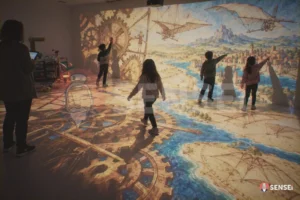
ICS Leonardo da Vinci in Cornaredo: an immersive classroom for every subject
Two SENSEi environments in the primary schools on via Volta and via Sturzo: a renewed immersive classroom and more than 27 activity templates for every subject.


Two SENSEi environments in the primary schools on via Volta and via Sturzo: a renewed immersive classroom and more than 27 activity templates for every subject.
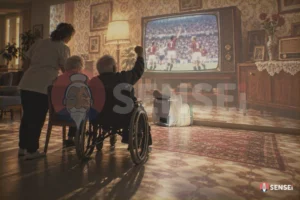
L’Aura, the mobile SENSEi cart of the Fondazione Sacra Famiglia in Inzago: a multisensory environment that goes to the residents, with content for adults.
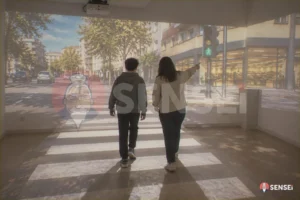
At I Gigli del Campo, an immersive room for young people with autism aged 13 to 25: 19 co-designed activities and a safe place to practise independence.
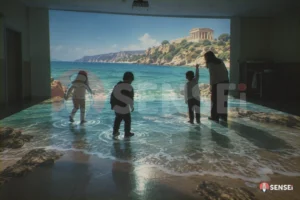
SENSEi immersive classrooms in Sicilian primary and lower secondary schools: installed with local technicians, with activities that also tell the story of the island.
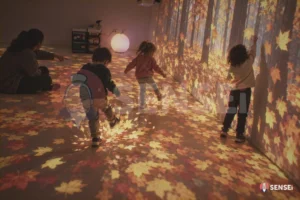
From LUDOMI and the Aula Magika to the preschools on via Sturzo and via Mazzini: a community that grows together with its magic room.
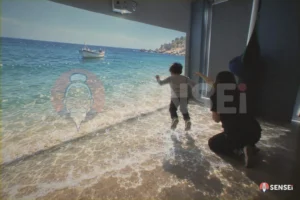
The first autism centre of ASL Salerno, in Bracigliano, has a SENSEi room where children and young people move, play and communicate.
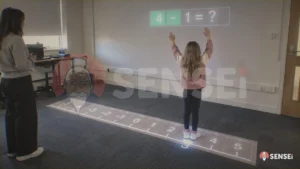
Developed in collaboration with the University of California, Berkeley and NTNU, this study explores how AI-driven embodied learning enhances teacher–student interaction. Through SENSEi, the research demonstrates how hybrid teaching intelligence increases engagement, supports conceptual understanding, and enables real-time detection of misconceptions.
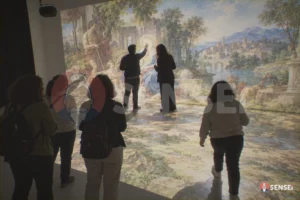
The European project INCLUDE-ID combines co-design, artificial intelligence and multisensory experiences for museums open to people with intellectual disability.
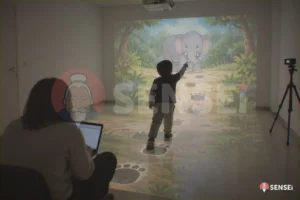
With SUPSI, SENSEi carries out research on multisensory environments, artificial intelligence and inclusion: from studies in schools to the European project INCLUDE-ID.
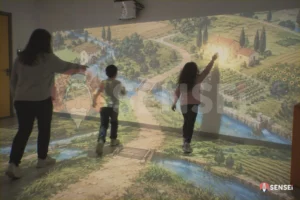
Four SENSEi environments, one per school building, designed with the teachers of IC Silvio Pellico in Arluno, plus an outdoor classroom.
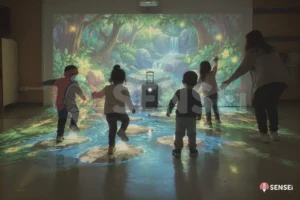
With Cooperativa ORSA, a mobile SENSEi kit brings the programme “All’avventura tra i sensi” to six municipal preschools in Milan.
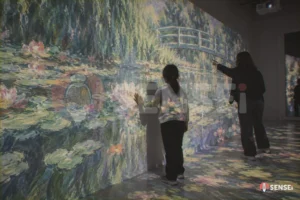
From Museo per tutti to the sensory rooms of Maternage: L’abilità and SENSEi bring co-design and multisensory experiences into museums.
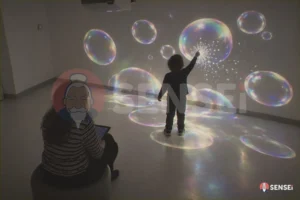
With the Pôle Autisme in Geneva, SUPSI and the University of Geneva, we study how artificial intelligence can help clinicians observe better, while respecting privacy.
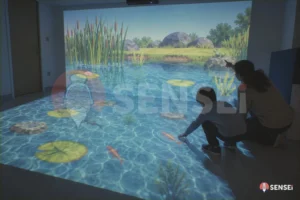
At the Autism Centre of the San Paolo Hospital, the SENSEi room is a tool of the care team: about 50 co-designed activities, shared principles and a safe refuge for self-regulation.
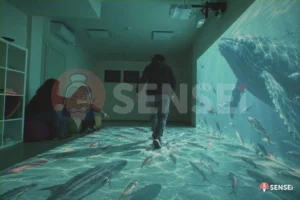
The SENSEi room of the Cooperativa Amicizia in Codogno grows out of the care staff’s answers: shared goals, 10 tailored activities, independent educators.
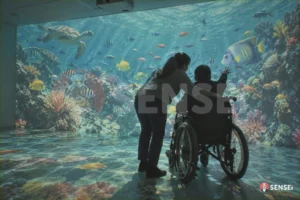
Casa del Sole, one of the first organisations to adopt SENSEi: a magic room that brings together rehabilitation and school and grows over time with educators and therapists.
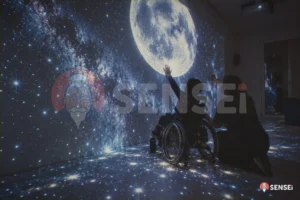
In Cava de’ Tirreni, a physical-digital multisensory room where children with disabilities play with their whole body, even from a wheelchair.
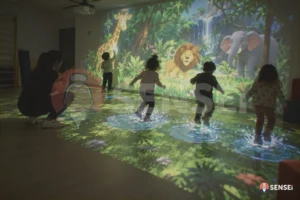
An entire school rethought together with its teachers: the SENSEi immersive environments at IC Perlasca in Bareggio, from preschool to lower secondary.
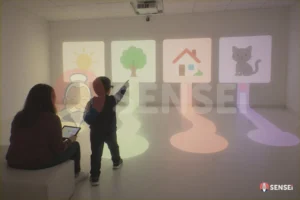
At Fondazione Angelo Custode, four SENSEi environments are part of everyday work: a year in numbers, experiences, research and team autonomy.